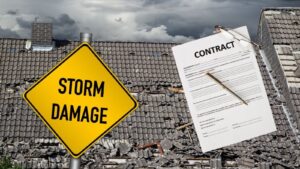
After a Nebraska hailstorm or severe wind event, homeowners may discover damaged shingles, dented gutters, loose siding, or leaks. Contractors may arrive soon after the storm, offering inspections and repair estimates while homeowners are still assessing the damage.
Before agreeing to repairs, homeowners need to understand what the contractor will fix, how costs will be handled, and what happens if additional damage is discovered. Reviewing a storm-damage contract carefully can help prevent disputes and establish clear expectations.
Confirm the Scope of Work
Ask for a written scope of work that identifies the repairs, labor, and exclusions. For roofing, confirm whether the price includes:
- Removal and disposal of existing shingles
- Underlayment, flashing, and ridge caps
- Ventilation components and related repairs
- Gutter or siding repairs, if needed
- Cleanup and debris removal
Removing shingles may reveal deteriorated roof decking that could not be assessed during the initial inspection. Ask how unexpected damage will be documented and priced.
The contractor should provide photographs and a written change order for additional work. Review and approve the revised cost before proceeding, except when immediate action is necessary to prevent further damage.
Clarify Insurance and Payment Responsibilities
Insurance settlements do not always cover every proposed repair. Coverage depends on policy terms, deductibles, limits, depreciation, and the insurer’s damage assessment.
If the contractor’s proposal differs from the insurer’s estimate, request an itemized comparison showing differences in materials, labor, or repair methods. A contractor can provide supporting documentation but cannot guarantee claim approval.
Review these financial details:
- Deductible: Confirm your out-of-pocket responsibility.
- Payment schedule: Identify when deposits, progress payments, and final payments are due.
- Coverage shortfalls: Establish who pays if the insurer approves only part of the work.
- Additional charges: Check whether permit fees and disposal costs are included.
Be cautious of offers promising a free roof by eliminating your deductible. Contact your insurer if an arrangement is unclear, and do not assume claim approval means every proposed expense will be covered.
Compare Materials and Installation Details
Two contractors may quote different prices for what appears to be the same roofing project. Differences may involve materials, installation methods, or excluded components.
Ask for the manufacturer’s name, product line, and relevant specifications. Confirm the shingle type, underlayment, flashing, and ventilation components included in the estimate.
Nebraska’s changing weather makes material selection important. Hail resistance and wind performance can influence a product’s suitability, but no material guarantees protection from every future storm.
Before choosing a proposal, check:
- Product specifications: Confirm the materials being installed.
- Installation requirements: Ask whether work follows manufacturer instructions.
- Substitutions: Establish how alternative materials will be approved.
- Warranty eligibility: Confirm that products qualify for the stated coverage.
Compare itemized estimates rather than total prices alone. A lower bid may exclude necessary repairs or specify different materials.
Establish Scheduling, Permits, and Cleanup Terms
Permits, inspections, deliveries, and weather can affect the repair schedule. Ask who obtains required permits, arranges inspections, and pays associated fees.
Request an anticipated start date and estimated completion timeframe. Also ask how the contractor will communicate delays caused by weather or material availability.
Cleanup and property protection should be documented in the agreement.
| Contract Detail | Question to Ask |
|---|---|
| Permits and inspections | Who arranges them, and are fees included? |
| Project schedule | How will delays be communicated? |
| Property protection | How will landscaping be protected? |
| Debris removal | Who removes materials and checks for nails? |
| Final inspection | How will completed work be reviewed? |
These details clarify the contractor’s responsibilities and help homeowners determine whether the agreed work is complete.
Review Warranties and Completion Documents
A manufacturer’s material warranty and a contractor’s workmanship warranty cover different things. Manufacturer coverage may apply to qualifying product defects, while workmanship coverage addresses specified installation problems.
Request the warranty documents and check:
- Coverage duration and exclusions
- Maintenance requirements
- Claim procedures
- Conditions that could void coverage
- Any registration requirements
Homeowners should review the written warranty terms to confirm the coverage and conditions that apply to their project.
Keep the signed contract, approved change orders, final invoices, payment receipts, warranty documents, and applicable inspection records. These documents establish what was agreed upon and what work was completed.
Verify Contractor Credentials and Contract Terms
A contractor’s willingness to start immediately does not establish that the company is qualified or that its agreement is fair.
Verify the contractor’s business information, insurance documentation, references, and any licenses or registrations required for the work and location. Ask for clarification if the business name on the estimate differs from the name on the contract.
Be cautious if a contractor:
- Refuses to provide a written estimate
- Leaves major costs undefined
- Requests a signature on an incomplete agreement
- Promises guaranteed insurance approval
- Pressures you to sign without reviewing the terms
Read the cancellation provisions carefully, particularly for agreements signed at home after a storm. Cancellation rights depend on the circumstances and applicable law. If a clause is unclear, request a written explanation before committing.
Make Sure the Agreement Matches the Plan
The written contract should reflect the agreed repairs, costs, and responsibilities. An attractive estimate is not enough if essential work, additional charges, or warranty terms remain unclear.
Resolve discrepancies before authorizing construction. R & R Construction provides residential contracting services, including roofing, siding, gutters, and other exterior improvements in the Omaha area. Homeowners planning storm repairs can request an estimate and discuss the proposed scope before making a commitment.
Frequently Asked Questions
What should homeowners do while waiting for permanent repairs?
Contact the insurer and contractor about appropriate temporary protection. Photograph damage when safe, avoid climbing onto a damaged roof, and keep receipts for emergency expenses that may be relevant to the claim.
What if the insurance estimate leaves out a necessary repair?
Ask the contractor for supporting photographs, measurements, and an itemized estimate. Submit the documentation to the insurer and request a review before assuming the additional expense will be reimbursed.
Should homeowners pay a large deposit before work begins?
Review the deposit amount, payment schedule, and cancellation terms. Verify applicable state or local requirements, and be cautious of substantial upfront demands without a clear written explanation.
Can homeowners change contractors after signing?
That depends on the contract, work already performed, and applicable law. Review the termination provisions and seek legal advice if high costs or disputed obligations are involved.
How can homeowners compare estimates beyond price?
Compare the scope of work, materials, installation methods, exclusions, cleanup, payment terms, and warranties. Ask contractors to explain differences in writing before selecting a proposal.
R & R Construction | Home Renovation & Remodeling in Omaha, NE
Planning a renovation doesn’t have to feel overwhelming or unpredictable. At R & R Construction, we help homeowners and businesses throughout the Omaha area complete remodeling projects with clear planning, reliable timelines, and quality craftsmanship.
From residential and commercial roofing, siding, and gutters to full home remodeling and exterior improvements, our team focuses on doing the job right the first time, so you avoid costly surprises along the way.
Contact R & R Construction today to schedule a consultation and take the first step toward a smoother, more predictable renovation.