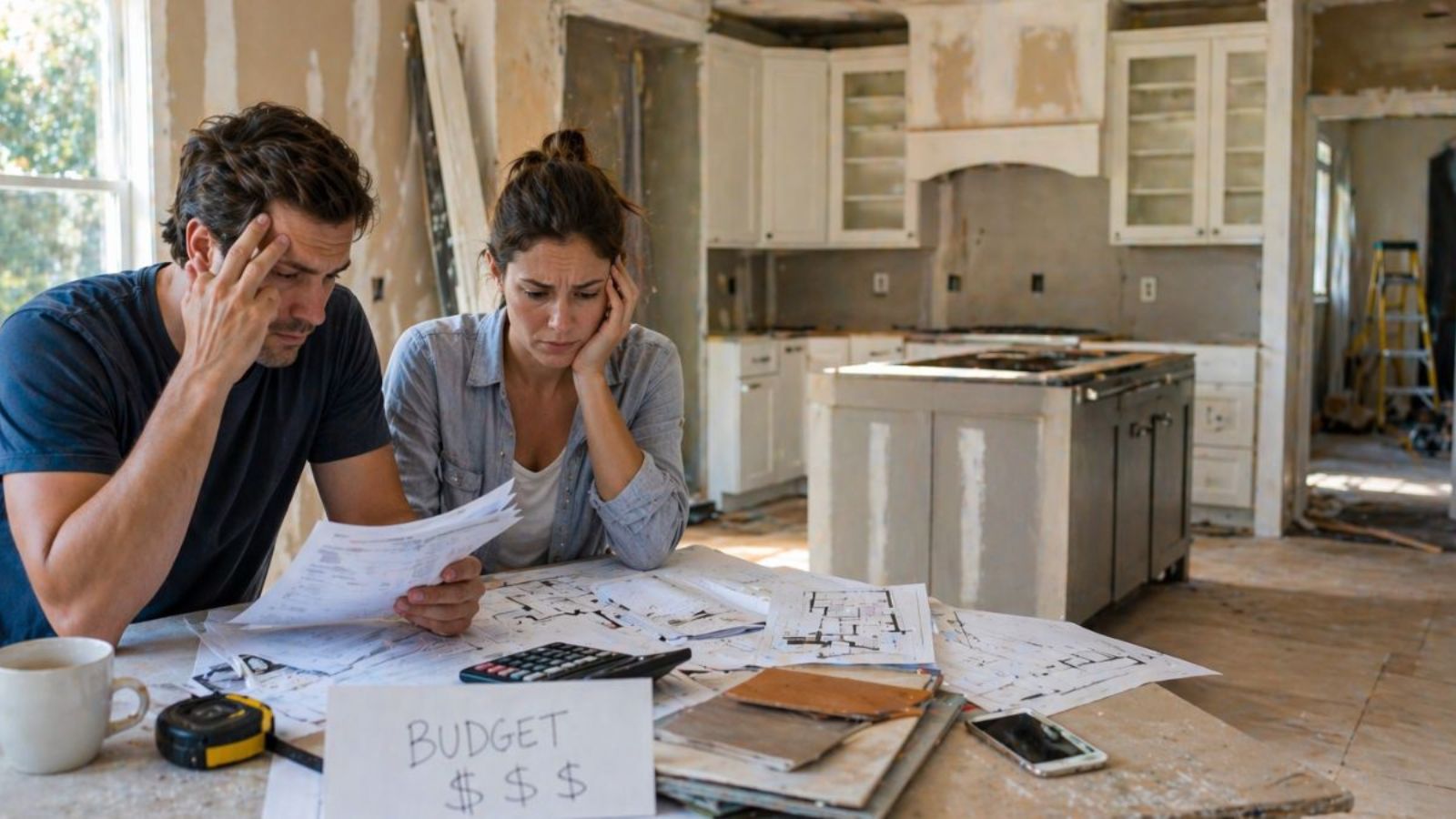
Renovating a home is often a significant milestone, bringing both excitement and major decision-making responsibilities. New spaces, better layouts, and updated finishes all sound straightforward at first. But once renovation projects begin, many homeowners are surprised at how quickly costs can shift.
Overspending rarely comes from one major mistake. More often, it builds from smaller decisions that seem minor early on but add up throughout the project.
Here are some of the most common renovation budget mistakes, and how to avoid them.
Renovation Budget Mistakes to Avoid During Renovations
1. Planning a Budget Based on “Ideal” Pricing
Many homeowners start by reviewing online estimates or comparing a few quotes. It’s easy to assume the final cost will stay close to that range, but renovation work is rarely that predictable.
Costs can shift based on:
- The condition of the existing structure
- Material availability
- Labor requirements once work begins
- Unexpected site conditions
A better approach is to treat early estimates as a starting point, not a fixed number. Building in a buffer early helps reduce financial pressure later.
2. Starting Construction Without a Clear Plan
Moving forward without finalizing details is one of the fastest ways to overspend.
When layout, materials, or finishes are still undecided, changes often happen mid-project—and each change impacts cost, timeline, and workflow.
This often leads to:
- Redoing completed work
- Reordering materials
- Extending labor time
- Delaying other phases
A clear plan upfront keeps the project more predictable and efficient.
3. Underestimating Hidden Issues Inside the Home
Once walls are opened or flooring is removed, hidden problems are often uncovered—especially in older homes.
Common issues include:
- Outdated wiring
- Plumbing problems
- Water damage
- Structural wear
These aren’t unusual, but they can quickly increase costs if not anticipated. Planning for some level of unknowns helps keep the project manageable.
4. Making Too Many Changes During Construction
It’s natural to rethink decisions once the project starts taking shape. However, frequent changes are one of the biggest drivers of budget increases.
Even small adjustments can affect:
- Labor scheduling
- Material orders
- Installation work
- Project timelines
For example, changing flooring or tile after installation begins often leads to costly rework. Finalizing decisions early helps keep everything on track.
5. Not Including a Buffer for Unexpected Costs
Even well-planned renovations come with surprises. Without a financial buffer, small issues can create unnecessary stress or force compromises.
A buffer helps cover:
- Minor structural repairs
- Material substitutions
- Design adjustments
- Additional labor time
This isn’t about overspending, it’s about staying flexible when real-world conditions change.
6. Choosing Options Based Only on the Lowest Price
Saving money is important, but choosing the lowest quote without understanding the full scope can lead to higher costs later.
Lower pricing may come with:
- Limited project detail
- Lower-quality materials
- Gaps in scope
- Unexpected add-ons
A better approach is to compare value, not just cost. Look at what’s included, how the project is structured, and how clearly expectations are defined.
7. Focusing Only on Appearance, Not Functionality
It’s easy to focus on how a space will look, but ignoring how it will function often leads to costly changes later.
A well-designed renovation considers:
- Daily movement through the space
- Storage needs
- Long-term usability
- Maintenance requirements
When a space works well from the start, it reduces the need for future adjustments.
Ready to Plan a Renovation Without Budget Surprises?
Renovation costs usually don’t go off track because of one major issue. They tend to build from small decisions, unclear planning, and mid-project changes.
The good news is that most of these mistakes are avoidable. Setting realistic expectations, making decisions early, and planning for the unexpected can help keep your project on time and within budget.
Before starting your renovation, it’s important to look at the full picture—not just the design, but how the work will actually unfold. That level of planning makes it easier to stay in control of both your timeline and your budget.
R & R Construction | Home Renovation & Remodeling in Omaha, NE
Planning a renovation doesn’t have to feel overwhelming or unpredictable. At R & R Construction, we help homeowners and businesses throughout the Omaha area complete remodeling projects with clear planning, reliable timelines, and quality craftsmanship.
From residential and commercial roofing, siding, and gutters to full home remodeling and exterior improvements, our team focuses on doing the job right the first time, so you avoid costly surprises along the way.
Contact R & R Construction today to schedule a consultation and take the first step toward a smoother, more predictable renovation.